

Your lawn is a living surface that responds to temperature, daylight, rainfall, and soil conditions. This calendar helps you care for your lawn year-round with clear, seasonal guidance for Canadian climates — especially cool-season grasses common east of the Rockies.
Spring | Summer | Fall | Winter
- Spring: cleanup, aeration, fertilization
- Summer: mowing rhythm, irrigation, weed control
- Fall: overseeding, autumn fertilizing, preparation for dormancy
- Winter: rest, equipment maintenance, planning
Your lawn responds to changing seasons, weather, and soil conditions.
This calendar breaks down essential lawn care tasks month by month so you can keep turf healthy, resilient, and attractive year-round in Canadian climates — especially cool-season grass regions.
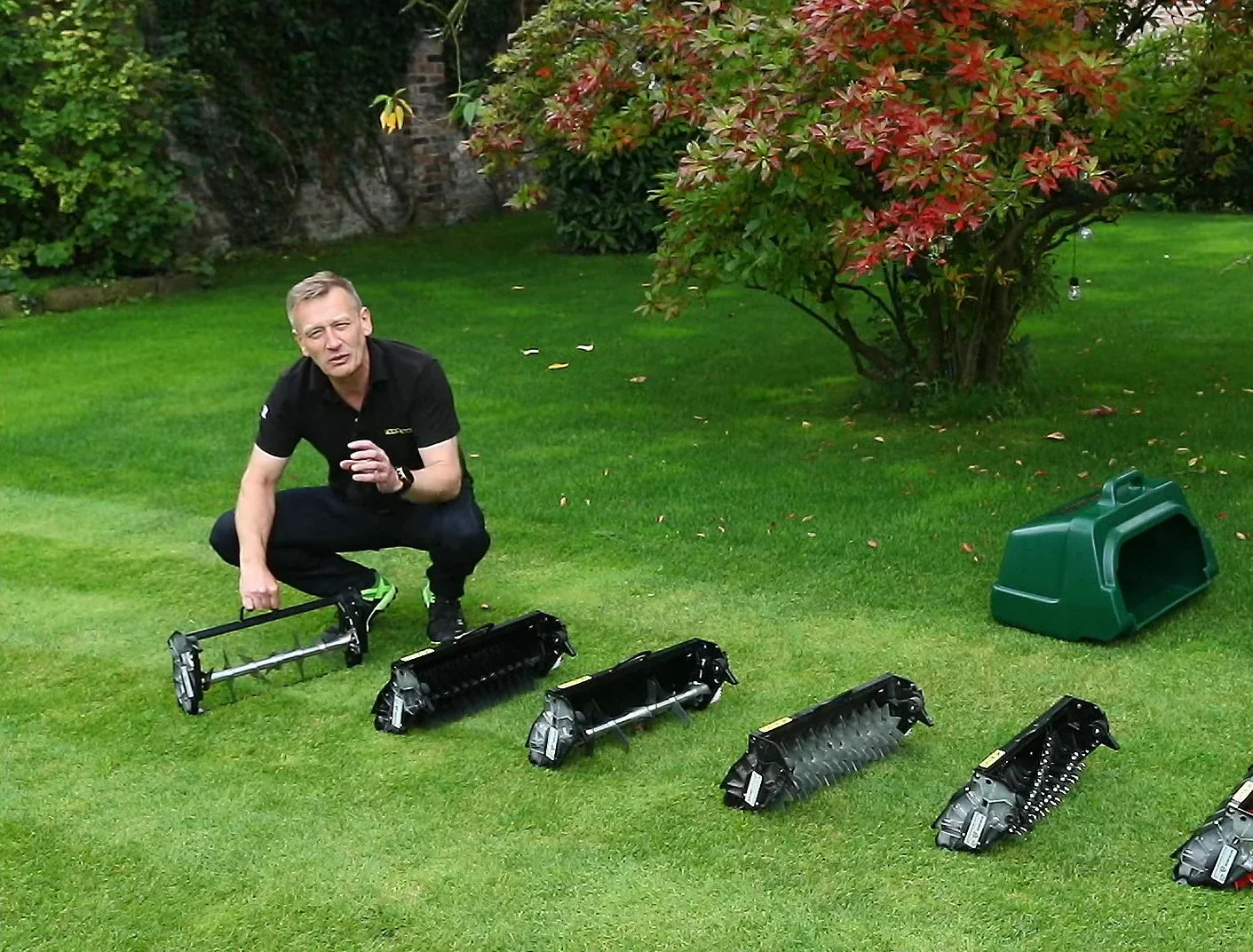
Regional Timing Notes
- Southern Ontario / Quebec: Follow calendar as written
- Atlantic Canada: Tasks may begin 1–2 weeks earlier
- Prairies: Monitor moisture closely; drought stress may arrive sooner
- British Columbia (Lower Mainland): Milder winters allow earlier spring activity
Spring | Summer | Fall | Winter
- Spring: cleanup, aeration, fertilization
- Summer: mowing rhythm, irrigation, weed control
- Fall: overseeding, autumn fertilizing, preparation for dormancy
- Winter: rest, equipment maintenance, planning
Your lawn responds to changing seasons, weather, and soil conditions.
This calendar breaks down essential lawn care tasks month by month so you can keep turf healthy, resilient, and attractive year-round in Canadian climates — especially cool-season grass regions.
Regional Timing Notes
- Southern Ontario / Quebec: Follow calendar as written
- Atlantic Canada: Tasks may begin 1–2 weeks earlier
- Prairies: Monitor moisture closely; drought stress may arrive sooner
- British Columbia (Lower Mainland): Milder winters allow earlier spring activity

March – April: Spring Wake-Up
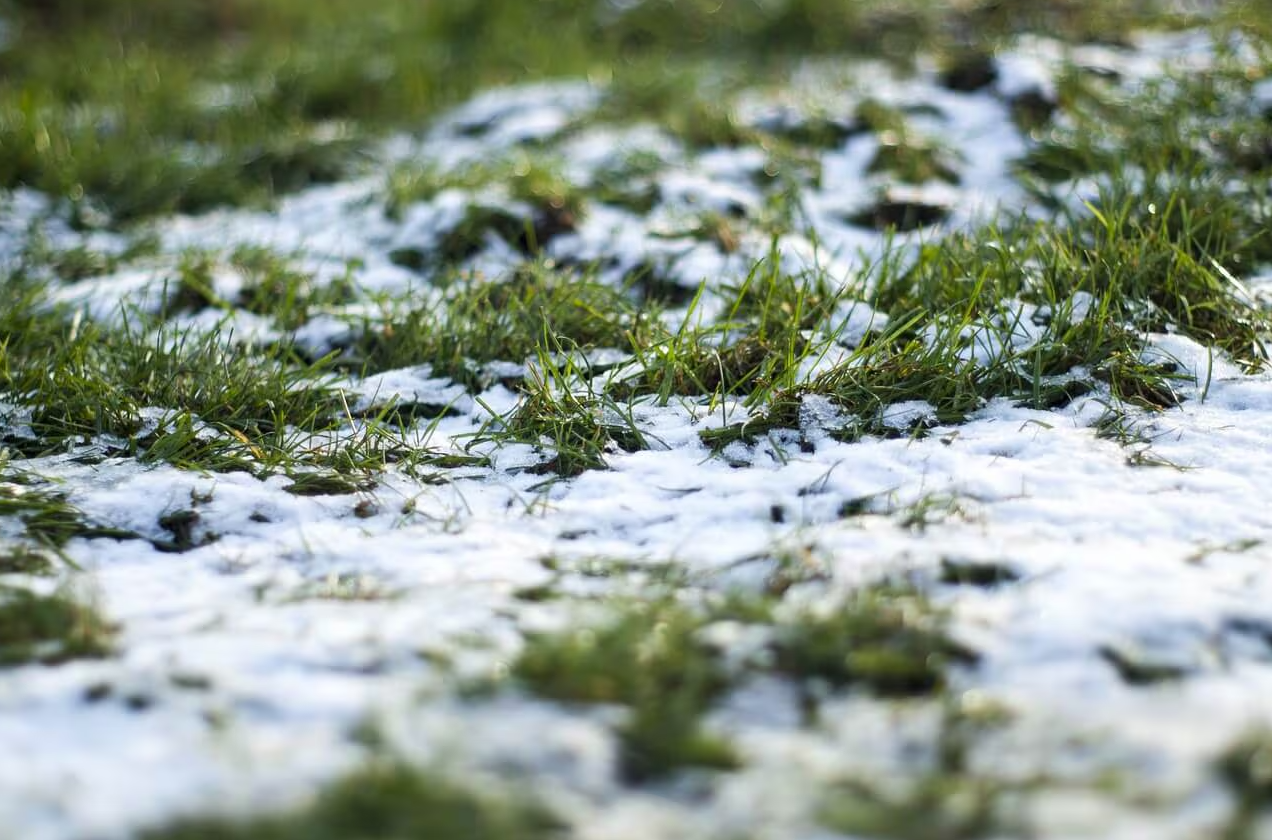
As soil begins to warm and daylight increases, your lawn exits winter dormancy. Start with debris removal, light aeration, slow-release fertilization, and overseeding bare spots. Proper early-season care sets the foundation for summer strength.
What happens: Grass breaks dormancy; soil warms.
Tasks:
- Cleanup: Remove debris and winter litter.
- Soil prep: Light aeration if soil is not saturated.
- Seed bare spots: Apply seed once frost risk ends.
- Fertilize: Slow-release fertility as grass begins strong green-up.
Why it matters: Spring sets the foundation for the year’s performance — strong roots and uniform green.
Mow at the correct height with Allett Precision Range
March – April: Spring Wake-Up
As soil begins to warm and daylight increases, your lawn exits winter dormancy. Start with debris removal, light aeration, slow-release fertilization, and overseeding bare spots. Proper early-season care sets the foundation for summer strength.
What happens: Grass breaks dormancy; soil warms.
Tasks:
- Cleanup: Remove debris and winter litter.
- Soil prep: Light aeration if soil is not saturated.
- Seed bare spots: Apply seed once frost risk ends.
- Fertilize: Slow-release fertility as grass begins strong green-up.
Why it matters: Spring sets the foundation for the year’s performance — strong roots and uniform green.
Mow at the correct height with Allett Precision Range
May – June: Growth & Maintenance
Growth accelerates. Mow weekly at moderate height, water deeply early in the morning, and address weeds while they are small. Light scarification or dethatching improves airflow and root health.
What happens: Growth accelerates, weeds become active.
Tasks:
- Mowing rhythm: Weekly mow, keeping height moderate.
- Watering: ~1 inch per week, early morning.
- Weed control: Spot treat as needed.
- Scarification: Light thatch removal if buildup > 0.5 in.
May – June: Growth & Maintenance
Growth accelerates. Mow weekly at moderate height, water deeply early in the morning, and address weeds while they are small. Light scarification or dethatching improves airflow and root health.
What happens: Growth accelerates, weeds become active.
Tasks:
- Mowing rhythm: Weekly mow, keeping height moderate.
- Watering: ~1 inch per week, early morning.
- Weed control: Spot treat as needed.
- Scarification: Light thatch removal if buildup > 0.5 in.

July – August: Mid-Summer Care
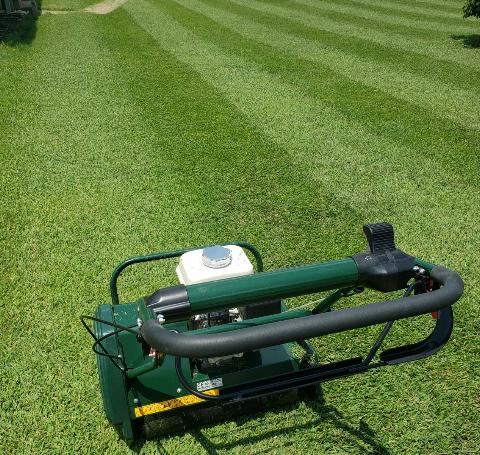
Heat and drought stress increase. Raise mowing height slightly to shade soil, water less frequently but thoroughly, and monitor turf for pests and disease stress.
What happens: Heat stress and drought risk increase.
Tasks:
- Adjust mowing height: Raise cut slightly to shade soil.
- Irrigation: Deep but less frequent watering.
- Monitor pests/disease: Early detection prevents damage.
July – August: Mid-Summer Care
Heat and drought stress increase. Raise mowing height slightly to shade soil, water less frequently but thoroughly, and monitor turf for pests and disease stress.
What happens: Heat stress and drought risk increase.
Tasks:
- Adjust mowing height: Raise cut slightly to shade soil.
- Irrigation: Deep but less frequent watering.
- Monitor pests/disease: Early detection prevents damage.
September – October: Fall Transition
Cooler temperatures and rain create ideal conditions for overseeding and core aeration. Apply fall fertilizer to build root reserves and recover from summer stresses.
What happens: Cooler temps; ideal for thickening turf.
Tasks:
- Overseed: Fill thin or bare areas.
- Fall fertilization: Builds root reserves.
- Aerate: Core aeration improves soil oxygen and nutrient uptake.
September – October: Fall Transition
Cooler temperatures and rain create ideal conditions for overseeding and core aeration. Apply fall fertilizer to build root reserves and recover from summer stresses.
What happens: Cooler temps; ideal for thickening turf.
Tasks:
- Overseed: Fill thin or bare areas.
- Fall fertilization: Builds root reserves.
- Aerate: Core aeration improves soil oxygen and nutrient uptake.
November – February: Winter Prep & Planning
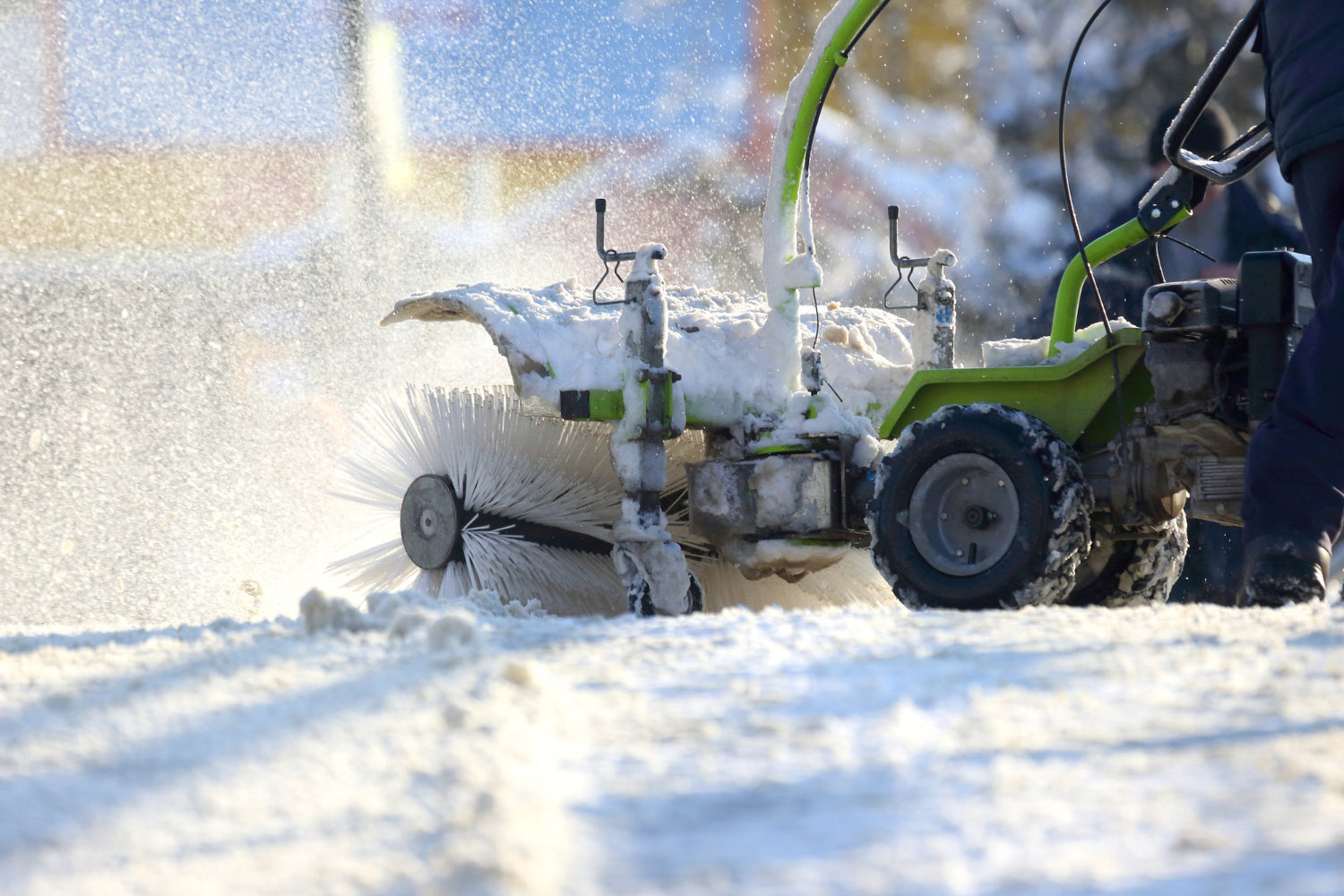
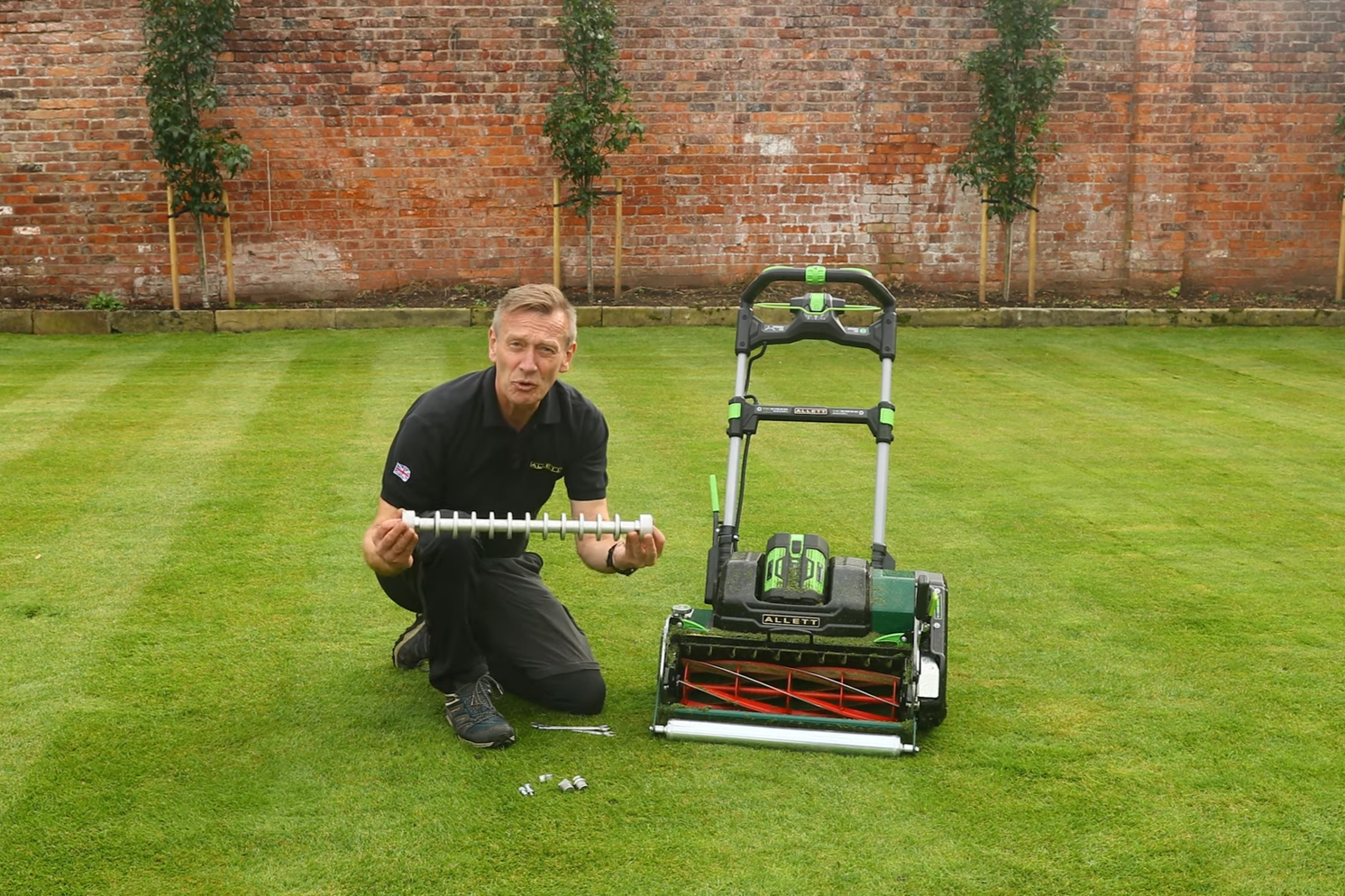
Turf goes dormant. Keep the surface clear of leaves and debris. Focus on mower maintenance — sharpen blades and book spring service early. Winter planning ensures a strong start next year.
What happens: Turf goes dormant.
Tasks:
- Leaf and debris removal: Prevent smothering.
- Equipment care: Clean, sharpen blades, schedule service.
- Plan spring tasks: Soil testing and scheduling sharpening.
November – February: Winter Prep & Planning
Turf goes dormant. Keep the surface clear of leaves and debris. Focus on mower maintenance — sharpen blades and book spring service early. Winter planning ensures a strong start next year.
What happens: Turf goes dormant.
Tasks:
- Leaf and debris removal: Prevent smothering.
- Equipment care: Clean, sharpen blades, schedule service.
- Plan spring tasks: Soil testing and scheduling sharpening.
Lawncare Questions, Answered
Lawncare Calendar FAQs
Clear answers to the most common lawncare questions for Canadian conditions.
Use this guide to understand timing, technique, and best practices for keeping your turf healthy, resilient, and beautifully maintained throughout the year.
When should I aerate my lawn in Canada?
The best time is early fall (September to early October) when temperatures cool and grass can recover quickly. Spring aeration can work too, but avoid aerating saturated soil.
When should I overseed my lawn in Canada?
Overseed in early fall (late August through September) for the highest success rate. Spring overseeding is possible, but seedlings often compete with weeds and summer heat.
How often should I mow during spring and early summer?
Typically once per week during peak growth. A good rule is to never remove more than one-third of the grass blade in a single mow.
Should I raise my mowing height in summer?
Yes. Raise the height slightly during July and August to help shade the soil, reduce heat stress, and protect the turf crown.
How much should I water my lawn in summer?
Aim for deep, infrequent watering, roughly 25 mm (1 inch) per week including rainfall. Water early in the morning to reduce evaporation and disease risk.
When should I fertilize my lawn in Canada?
Apply a slow-release fertilizer in spring as the lawn greens up, then focus on fall feeding (September–October) to build strong roots and improve winter hardiness. Avoid heavy fertilization during peak summer heat.
When should I dethatch or scarify?
Only when thatch buildup is significant (about 12 mm / 0.5 inch or more). Late spring or early fall is typically best, and avoid aggressive scarifying during heat stress.
What’s the best time to do lawn repairs after winter?
Start repairs in April once soil begins to warm and the lawn is actively growing. Rake lightly, reseed bare areas after frost risk has passed, and keep traffic low while the turf recovers.
How do I prepare my lawn for winter?
Keep the surface clear of leaves, mow until growth stops, and complete your final mow slightly shorter than summer height. Winter preparation reduces snow mould risk and improves spring green-up.
When should I service and sharpen my mower?
Service and sharpening are ideal in late fall or winter so your mower is ready for spring. If cut quality declines mid-season, schedule sharpening sooner to protect turf health.